Why do some places tug on the spirit, beckoning us like the sirens taunting Odysseus, while others fade into the background of memory? We all have such places; they might be near or really far, but for one reason or another, they speak to something in us. It may be the climate, or the culture, or some aggregate of the vagaries we call charm.
All of these play a part but there’s also an element that’s more mysterious, harder to pin down. These are the subtle and complex mechanisms hard-wired in our ancient DNA. These more mysterious workings of the mind are further influenced by time and the seasons of our lives. For instance, what appealed to us in youth might not make the cut as we age. The reverse can be equally valid: things that resonate with a more ‘mature’ mind might’ve been overlooked by our younger selves. Bodies will change. Hopefully the mind goes along.
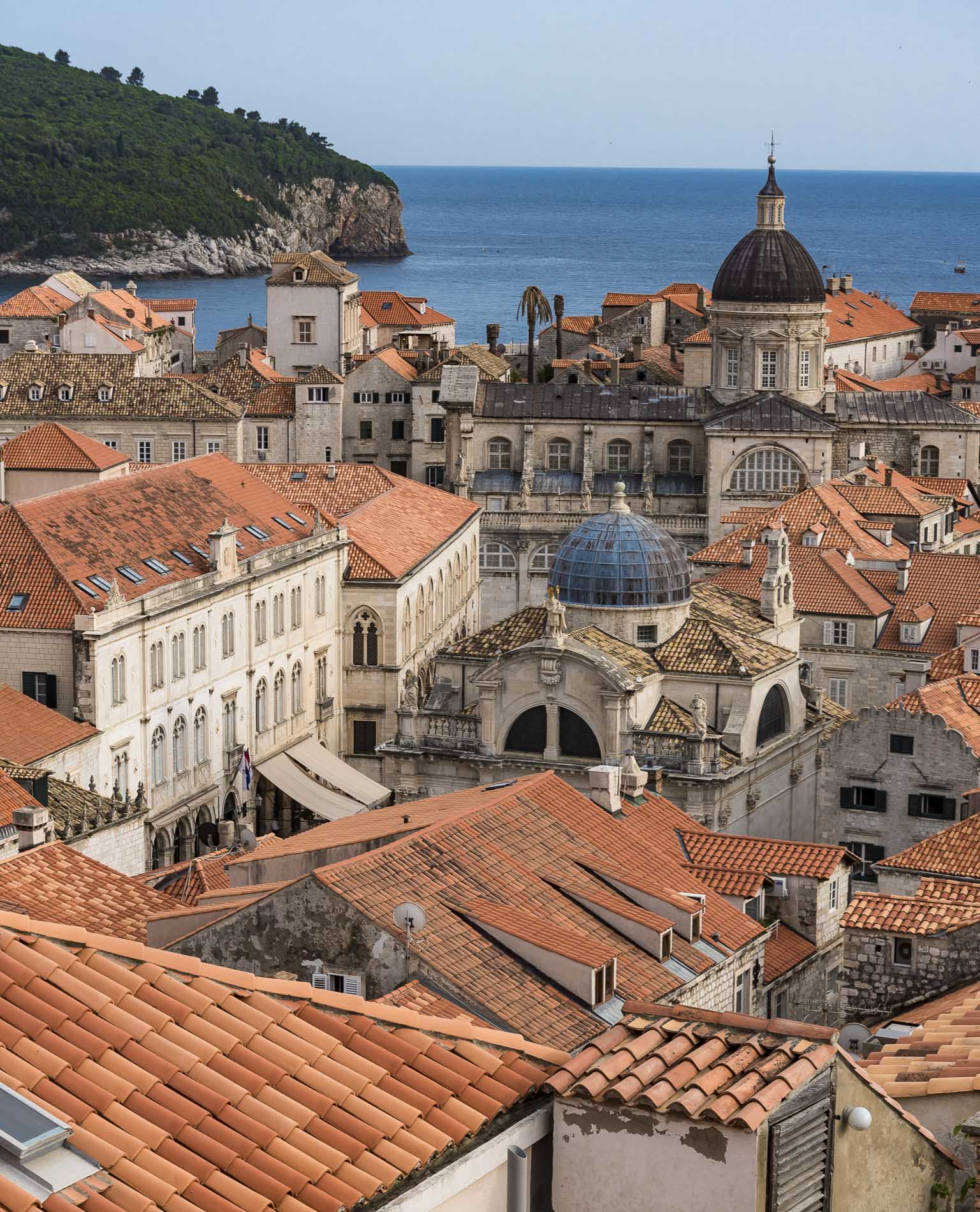
This helps explain my fascination with the Dalmatian Coast along the Adriatic Sea. From big vista scenics to picturesque villages, there’s no shortage of inspiration for a photographer. There’s also the Adriatic with its crystal clear waters and varied hues of aquamarine. I’ve enjoyed many a dip, often lounging on some rock outcropping along the shore afterward, drinking in the scent of cypress trees and salty sea air.
But those things alone don’t entirely explain the appeal. There’s a pretty good list of places throughout the Mediterranean with those same qualities. So why this over all the others? It’s not about heritage, or at least the heritage I know. My mother was Prussian and Irish and the old man pure Slav. His people were Carpathian Slavs, as opposed to the Balkan Slavs of the Dalmatian Coast. Maybe there’s a connection much further back, one that I can’t possibly reach.
Let’s not forget that this part of the world has a volatile history. The Balkan Wars of the 1990s erupted after the dissolution of Yugoslavia revealed the fractures and mistrust underlying the idea of a pan-Slavic nation. The Croats wanted their own nation, one that would favor their identity and Catholic faith. The Slovenes also wanted their own nation, as did the Serbs, the Montenegrins, and most of all, the ‘Bosniaks’ in the deeply divided nation of Bosnia-Hercegovina, where Croats, Serbs and Bosnian Muslims had lived for centuries.
Thirty-plus years after those bitter wars of ethnic cleansing, these divisions still fester just beneath the surface. This crossroads where the Ottomans once ruled remains the most volatile part of the old Yugoslavia. And yet, I found the people in Bosnia-Hercegovina welcoming and friendly. Driving through small towns in spring you’d see just about every other family in front of their house selling strawberries from their gardens. Each family waved and encouraged me to stop, which I did, several times. On a couple of occasions, I was invited in to share a glass of raki, the ubiquitous home-distilled drink found everywhere.
Just about every family had a garden, something that reminded me of my Slavic grandmother and other relatives who came to the US and brought that idea with them. Now of course, it was increasingly rare to find people with gardens selling their surplus in roadside stands. We were too busy, too uninterested in putting forth the effort when we could just buy these things from the store. No matter that they lacked flavor. Americans just didn’t care. I imagined trying to pawn off a California-grown commercial strawberry on one of these Bosnians and how appalled they would be.